Skinny Culture
by Alivia Stonier
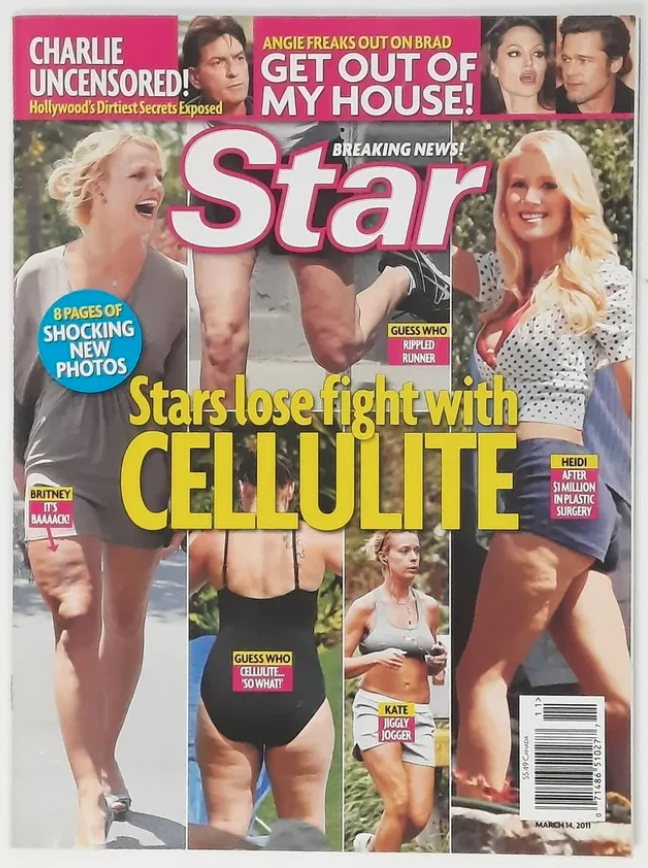
Turn on your TV when you have a chance, or open any social media app on your phone; even better, take a walk down a busy city street.
If your surroundings are anything like mine, both digital and out in the physical world, you are surrounded by a certain message swallowing you. Lose weight, try a GLP-1, tips for cutting in the gym, a weight loss journey, a "what I eat in a day" video being scrutinized, no plus-size models in sight. Clothes that don't even go up to your size anymore in the online shops; everything is cropped. All in the span of a single day.
Look in the mirror and convince yourself that you understand what you look like; start to get an idea and then realize that when you see a picture of yourself off of the university's social media or your mom's Facebook account, you have no idea what you actually look like. Scroll through your own social media feed and compare your face to the mirror, scrutinize every detail, and become even more confused.
I don't think I fully realized I had body dysmorphia until somebody else told me about their own. But what I did notice first was the way that skinny was being re-normalized in America and to an unhealthy degree; back are the days of stores shamelessly wanting skinny people to wear their clothes, beauty standards in media becoming a level that can be deadly as more bones begin to show, otherwise known as a resurgence of “heroin chic” that plagued the early 2000s.
But where did this come from? And why is it so dangerous? Many are attributing the trends' return to the use of medications like Ozempic, a weight loss drug originally prescribed for diabetic patients that was later approved for weight loss, and with it came a string of others. “The usage of GLP-1 weight-loss medications saw a staggering 594.4% increase in adolescents and young adults between 2020 and 2023,” according to Wildflower Therapy.
These changes are not only reflected for everyday consumers in our culture but also for models that are actively trying to find work, as it has been noted that outside of street sizing, opportunities to be represented have been declining.
Suddenly in Hollywood the new ideal is to be this size again, with many people making comparisons to that of illness out of concern, as eating disorders are also on the rise as the trend comes full swing, as highlighted by the BBC: “Recent fashion shows have steadily reverted to historically low size diversity, with mainstream shows featuring 97.1% straight-size looks, and mid-size and plus-size models making up less than 3% combined.”
Gone are the days when people were able to comfortably work on practices like body neutrality and still see their body type represented in the media and online without a negative connotation being attached or a narrative that it is simply easy to fix or takes a discipline that somebody is lacking in a lot of cases, which at times also overlooks health issues that can create difficulty with weight below the surface.
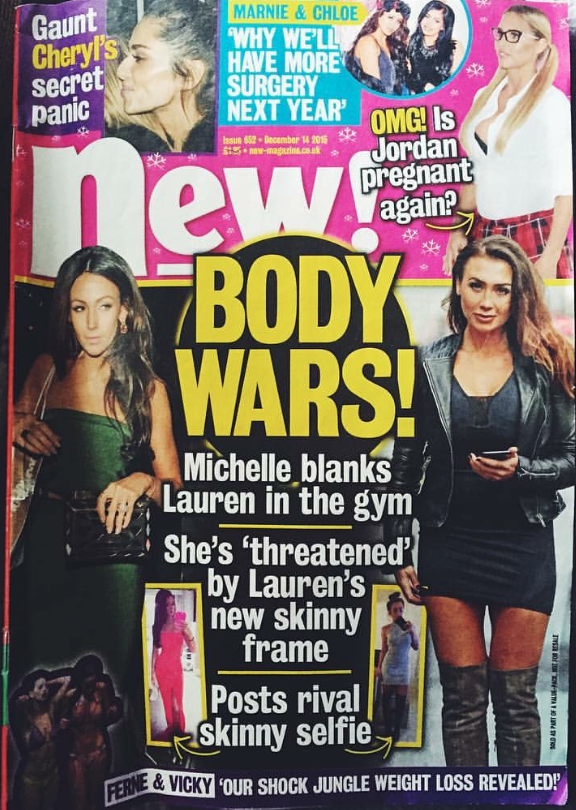
This look also came back at a very interesting time in our culture when the price of food is rapidly rising and it is becoming a luxury to be able to eat at restaurants on a regular basis or indulge in meals that potentially are a favorite. With many popular brands using food as a show of wealth within their marketing, such as Rhode with popular advertisements for their lip products and Kylie Cosmetics.
It brings me back to my early adolescence, always ashamed about the extra weight around my stomach, always wanting to be smaller like the people I saw around me, and it was only later that I would realize the majority of my friends have suffered with eating disorders or the same dysmorphia that plagued me, with a lot of social media and what we are shown being a direct cause.
My experience is nowhere near singular, but I would find out later in life, at 17 years old, that I also have polycystic ovarian syndrome, which is now known as PCOS, as it can widely affect your metabolism and cause weight gain in the exact areas that I had always struggled with as I aged. It felt like an answer to a question mark and the beginning of many others that still don't always get solved.
I can't help but feel a pang of worry for the younger generations when I think about what it would have been like to grow up without the conversations of 2018 and 2019 around body positivity and neutrality, allowing the thought to flow that I deserve to wear clothes that feel like my fashion style no matter the size that my body is. What happens to the teenagers that are growing up without that again?
Much of adolescent life now is lived on a singular stage that is your social media presence, wanting to get every perfect angle and the best thing to curate an aesthetic. What happens when you no longer even know who you are outside of that lens?
I'm still struggling with body neutrality and accepting myself for who I am inside of my body every single day. There's a voice inside of my head that tells me that my body is something to fix, and with the increasing trends, it can be even more difficult to silence than it was in my early teens.
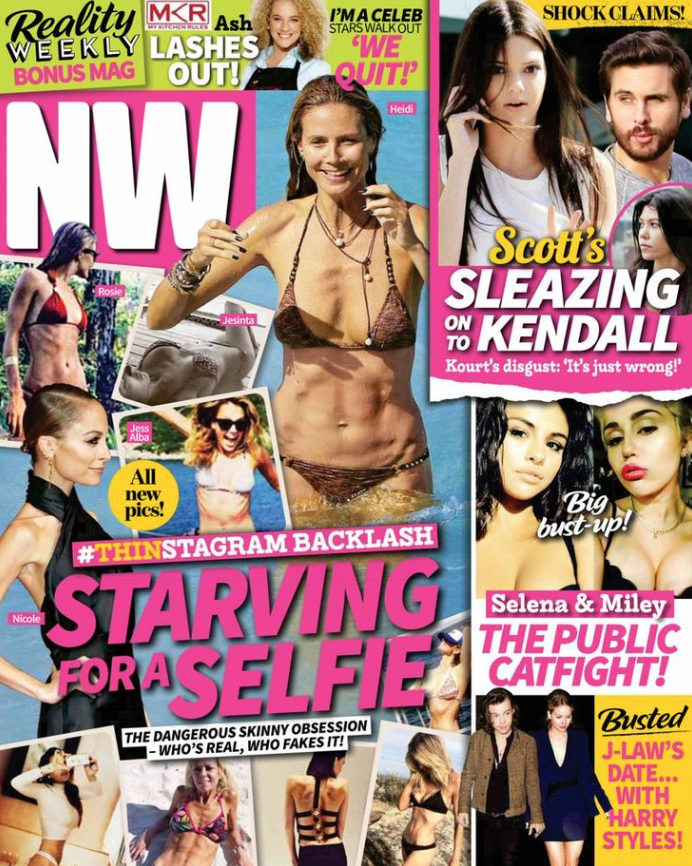
However, there are reminders laced across history that beauty doesn't have a size. Take a step into a local art museum; if you're lucky, you'll find Greek statues. Ones that feature women with weight on their bellies that were worshiped, beauty is an ever-shifting kaleidoscope of what someone should be, especially what a woman should be. And maybe if you have a similar reaction as I did, looking into these statues, you'll realize despite the noise that beauty also deserves to be as you define it and not just the voices and eyes around you.
An aesthetic has no defined size, your physical appearance offers no information about your actual health, and you are beautiful no matter if you don't look like the curated feed that you find yourself going back to every morning when you wake up. If a brand or a person can't accept that, then they don't deserve your patronage, and if it's a person, they don't deserve access to the body that you have every right to love and to want to feel worshiped within.
Soon the kaleidoscope may shift again, warping another societal view into something entirely different than what we saw a decade ago. A pendulum forever swinging, and I urge you to stay steady no matter how hard things shift. What remains no matter the narrative is that all bodies are beautiful, and people remain carrying multitudes beyond their physical body.
