30s is the new 20s: The Internet's Obsession With Starting Over
by Kristen Jeré
@blackfeministnobody
“I’ve decided that my 20s will start when I’m 30” is a variation of text that I see frequently these days, hovering atop a TikTok reel. The visuals are almost always of a young-looking person taking a video of themselves with the front-facing camera, doing something mundane like riding the train or chopping vegetables in their kitchen. In their faces is a kind of resoluteness, a somber look of finality at having arrived at a place of self-definition. As a late 20s something myself, I can’t help but think that in their faces is something painful–that they come from the experience of having bargained with an existence that hasn’t turned out like they thought it would and, thus, are clamoring to start over.
The internet is a virtual Neverland for mid-20s to early-30s adults. On this mystical island, young adults can land at a place where they can pause time and “never grow up” or, at least, make jokes on feeling and acting younger than their ages. They can connect with other beings that share their tortured plight–to be young, but not feel it; to feel old but not be old yet, but be so stuck thinking about age that oldness feels inevitable.
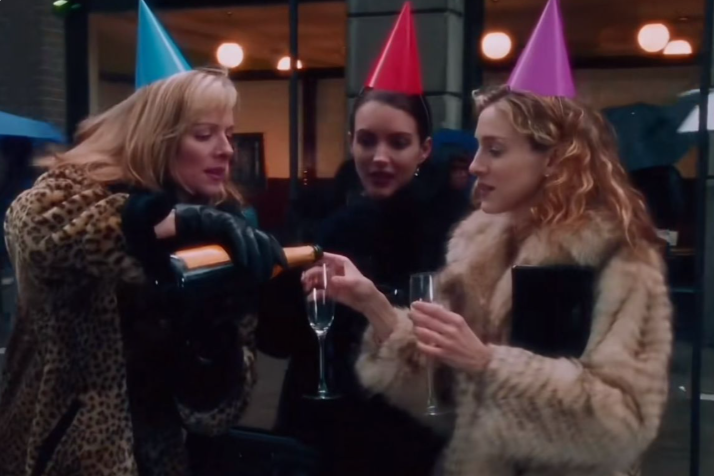
As they narrate vignettes of their lives through a lens of ironic whimsy, a latent fear of growing up is exposed and pushed to the center, like the white pus oozing out of an adolescent's zit. Behind the desire to be younger, there’s the idea that being older comes with an expectation of perfection–one that feels impossible to meet.
The pressure to have it all together as a young adult is stifling in the way that it boxes us into spaces too tight for the movement and flexibility that growing up requires. The anxiety of feeling like we don’t have space to become who we want to is what, I believe, is at the heart of our recent collective decision to turn back time. For an age group that would have experienced the pandemic during their early 20s and late 30s, it only feels right. We missed out on certain social rites of passage and opportunities to build in both our careers and relationships. We have lost years to make up for with no clear way to do so.
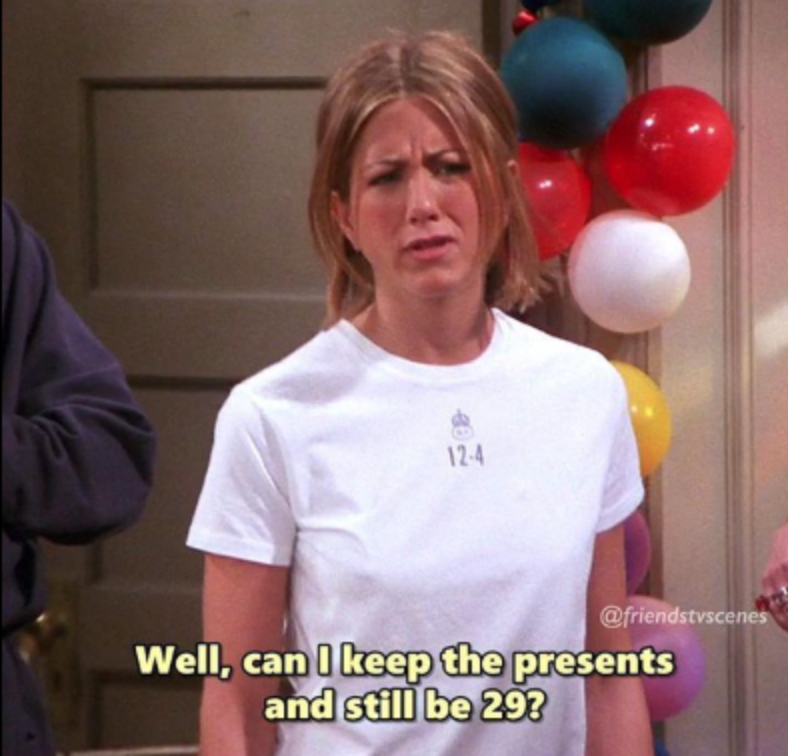
“As they narrate vignettes of their lives through a lens of ironic whimsy, a latent fear of growing up is exposed and pushed to the center, like the white pus oozing out of an adolescent's zit. Behind the desire to be younger, there’s the idea that being older comes with an expectation of perfection–one that feels impossible to meet.”
So, instead, we become the “just a girl” whose needs to brush off mistakes made through youth are shrouded in anxious thoughts of not being good enough. We start over at our ripe old ages as we try to find new places of self-definition and discovery. For women in particular, our aging comes with projected fears of menopause and infertility–anxieties that are pushed onto us in almost every area of our lives. In a society that defines womanhood largely by what the bodies of people who identify as women can “do”, and categorizes them as too old when they no longer can, it makes sense that women, in particular, are choosing to identify as younger; not necessarily in the literal sense, but in a space of emotional being. If youth is the only time that exists where mistakes can be made and forgiven, growing up begins to feel like a bad deal.
There’s a certain autonomy to deciding what we, as a generation, define as youth. Part of this phenomenon is rooted in taking back narratives of what young people can be. The internet’s obsession with satirically claiming to be younger is a variation of this narrative-flipping, not only in young people creating their own content that attempts to redefine our definition of youth, but in creating and narrating the ways that we live our lives as young people trying to break free from the high expectations of getting older. There’s a certain comfort in imagining that we can go back and “do our 20s” again and make different choices this time.
But part of me can’t help but think that there are pieces of ourselves that we deny when we, even ironically, decide to identify with younger ages. I wonder what is so wrong with wearing a miniskirt and telling oneself, “I am 32 wearing a mini skirt,” instead of making a quip about being “28 year old-32 year old.”This denial of self feels particularly gendered when women are often expected to hide the messy parts of themselves. In attempting to change the narrative in favor of those of us who are grappling with aging, we inherently feed into the idea that there is something shameful and resentful about getting older.
In truth, there is so much that we learn, gain, and experience as we age that we should be proud of even if things haven’t turned out how we’ve wanted them to–maybe especially then. Instead, we can see aging as an opportunity to integrate all parts of the self: the messy breakup, the dream job we were fired from, the crappy apartment we overpaid for. It’s a time to move on while also acknowledging what it took to get here, and that mindful bit of reflection is, I think, a big part of how we make decisions as we get older that feel like they honor the people we want to become.
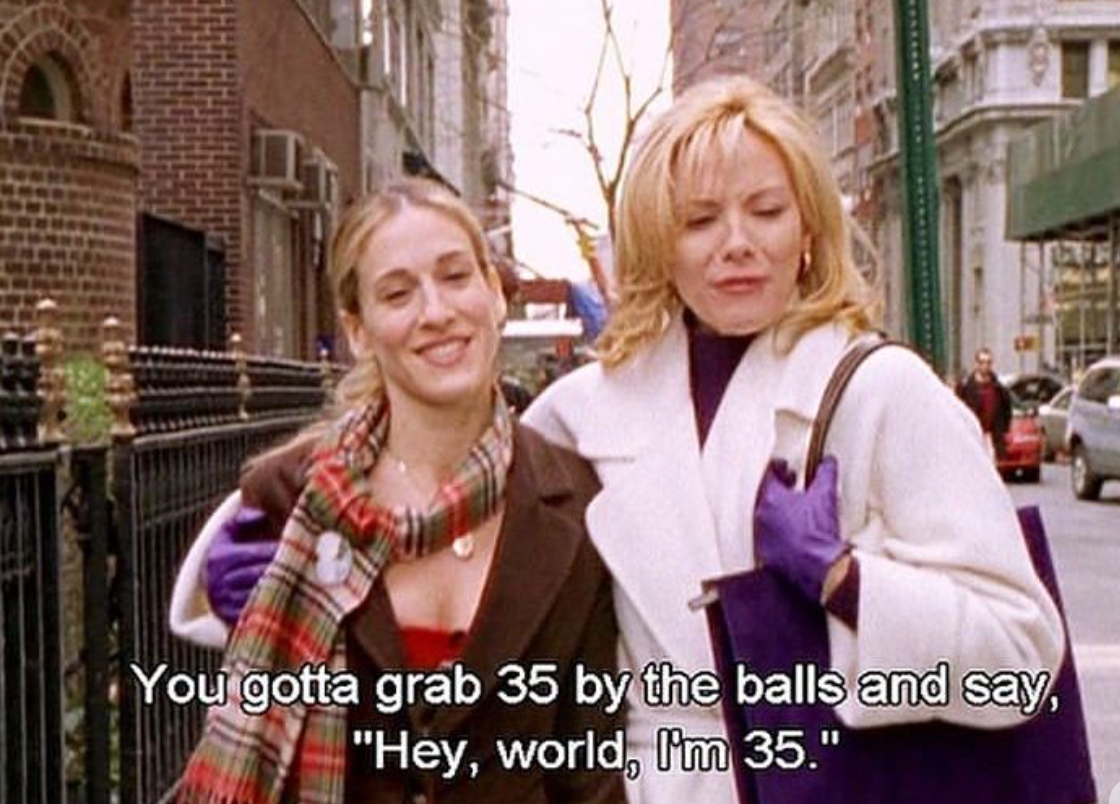
In HBO’s Insecure, created and led by, at the time 20-something, Issa Rae, we follow the main character, Issa Dee, as she makes complicated and, often, questionable decisions in her professional life and relationships. Issa Dee is 29 at the beginning of the series, and the show’s young adult audience is constantly pulled between sympathizing and relating to the main character and feeling that she should be doing better, considering her age. Still, we follow our delicate protagonist on her coming-of-age journey while she learns to embrace being a silly, naive adult. Characters like this give us an, albeit fictional, blueprint on how we can begin to embrace the messiness of getting older instead of constantly looking to go back.
The girlhood internets’ skits on aging showcase an opportunity for us to cope with the fear of growing older through humor. I have to admit, I’ve smiled once or twice at a few of the videos and memes of being a “teenage-adult”. They’re relatable in the way that I think most of us still feel a bit like our teen and early 20s selves, no matter how old we get. I think that’s normal, and I’m glad I live in a time where the concepts of “young” and “old” don’t have to be so binary and quantitative and, instead, can encompass qualities like how we feel about and uniquely experience aging, as individuals and in our collective communities. That alone makes me feel optimistic about growing up.
