Your Instagram Feed Isn’t Cohesive, It’s Obsessive.
by Kasey Dugan
It’s that time of year when the sun turns yolk-yellow and the days feel full of promise. You can do anything you want; maybe you’ll try that new cafe that Instagram keeps suggesting. After all, you’ve dropped a few too many selfies on the ‘gram as of late, and your feed is looking a little cluttered. A photo of a matcha latte could really balance things out …
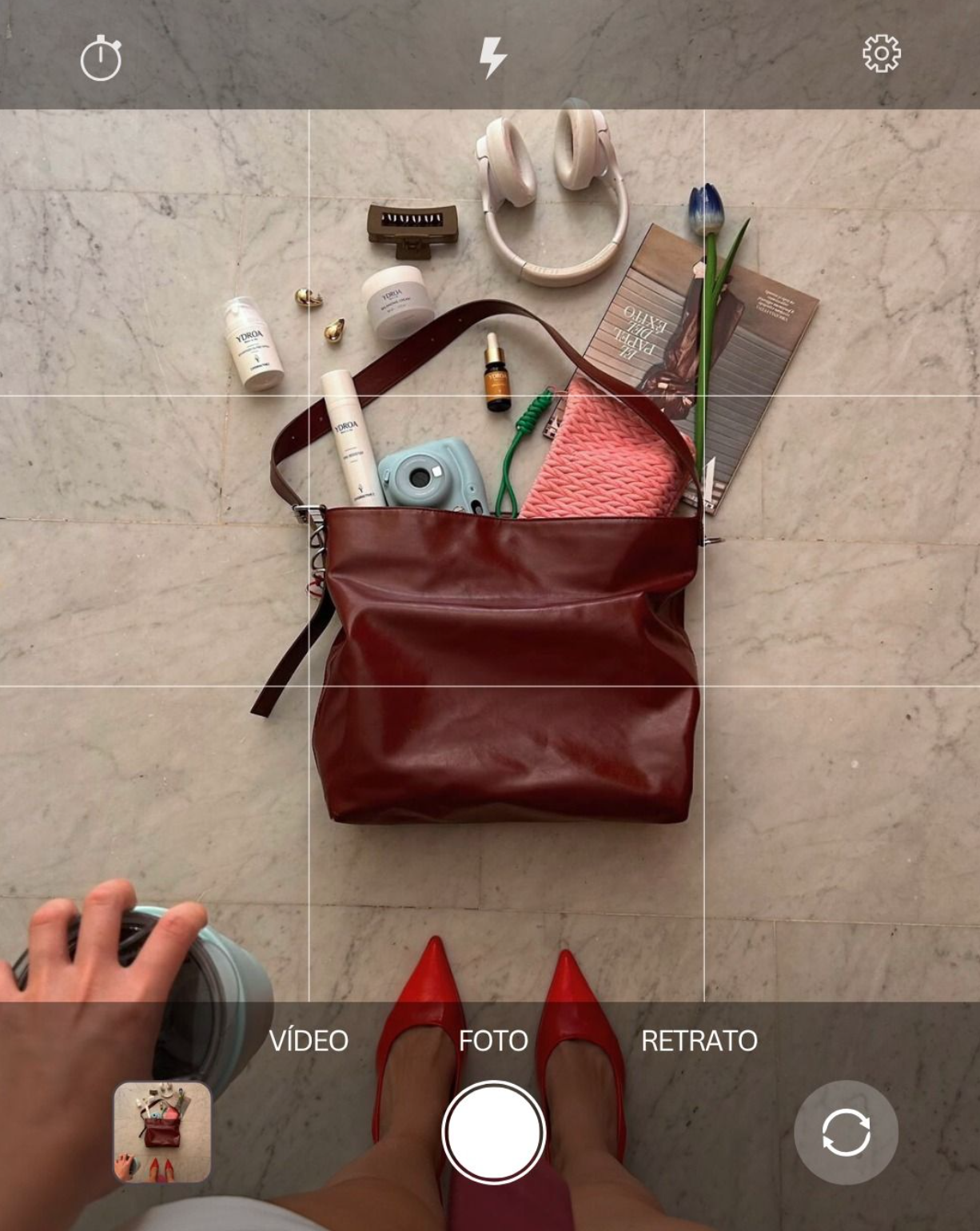
“No matter the vision, the ability to have vision at all is evidence that documenting our existence might be the most self-mythologizing thing one can do”.
When it comes to curating our social media feeds, sometimes getting “the shot” can dictate the kind of day we’re going to have. It can be as simple as trekking to SoHo to buy an overpriced- but-visually-stunning latte for a “filler” post. Or, it could mean buying a brand new outfit to be photographed in at the current trendiest bar. No matter the vision, the ability to have vision at all is evidence that documenting our existence might be the most self-mythologizing thing one can do.
Mediated Intimacy (2018) is a book that explores how modern understandings of sex, sexuality and desire are shaped by digital media. The word, mediated, meaning an intermediary or third party — an imagined audience, if you will. And intimacy meaning a close, personal relationship. The term is nearly an oxymoron that captures what it is to be online today: a user visualizing a close connection with an imagined audience. User, might I point out, is the same term we use to describe addicts.
The curated existence we create online is not necessarily a bad thing. In fact, most of us have done it. If you’ve had MySpace or Facebook back in the day, you’ve probably hung out with friends with the purpose of taking a good profile picture. If you were on Tumblr, you’re probably familiar with the nostalgic angst of taking artsy photos for your blog.
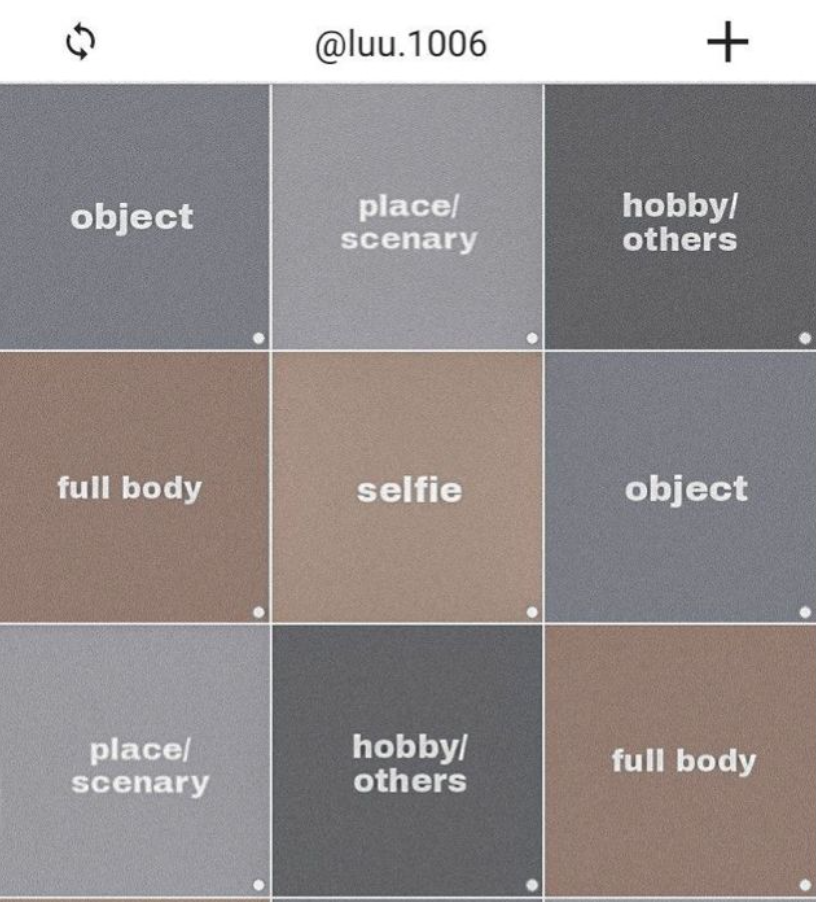
Or how about this? If you’re dating someone new, you’ve probably given it some thought on how to introduce them on your feed. (Or if you’ve been through a breakup, I bet you’ve stealthily archived all photos of your ex’s existence from your feed.)
If we’ve all done these things, we can’t all be performatively living, can we? Some of us have to be authentically coexisting with the internet. But how do we do so when every move seems to suggest a story larger than ourselves?
Take this nonchalant trend, for example. You might have noticed, as of late, that the people you follow online are suddenly shying away from dropping beautiful picture after beautiful picture. Some of their posts may have you scratching your head — like posting a bowl of half-melted ice cream or a pair of broken high heels.
Don’t be fooled: these are intentionally orchestrated messes in order to appear effortlessly chic. Why?! Because we’ve all caught on to the idea that social media is a highlight reel of our lives, or so the expression goes. In which case, the audience and its performer now share the acute knowledge that this presentation of a perfectly curated lifestyle is a sham.
If the show must go on, then the performer must find a new way to entertain their audience. This is where the spectacularization of ordinary living enters, the illusion that stars really are just like “us.”
The trend has trickled down from these newly humble celebrities into the mass pool of social media users. If you pay close attention, you’ll notice that your friends (or your friends of friends, your cousin, that stylish girl in the office) have started to slowly churn out a different social media presence. They’ve begun to trade in their polished perfection for “lived-in” disarray, intentionally posting less-than-perfect selfies, unmade beds, chapped lips, spilled lattes, smudged eyeliners, or half eaten cupcakes. (The caption, if there is a caption, will say something vague or silly like “duh!”)
These “proof of life” snapshots are this year’s most evidential way of proving you are indeed an it-girl on the down low. Gone are the days of posting brilliant photos and glamorous nights out one after the other … this is too extravagant, too tacky in 2026. It’s time to show people you’re human, but only the likeable, whimsical parts.
Unsurprisingly, manufacturing authentic moments often has the opposite effect. Trying to stage a slightly cluttered vanity table, for example, can indeed come off too-try hard. But what’s a modern girl to do if she needs to get “the shot?”
The modern girl gets strategic, of course. She’s going out to Dante (but not tagging the restaurant) and waiting halfway through the meal to take a photo of the table cramped with wine glasses and half-eaten French fries. Or, she’s taking eight shirts into the fitting room at With Jean, trying them all on, and then photographing the effect of the shirts’ silhouettes beautifully wrinkled on the floor.
These kinds of tricks may produce worthy photos that translate the magic of the mundanity. But at what point does this autofictional display of life become irrevocably tangled with our actual, fallible selves?
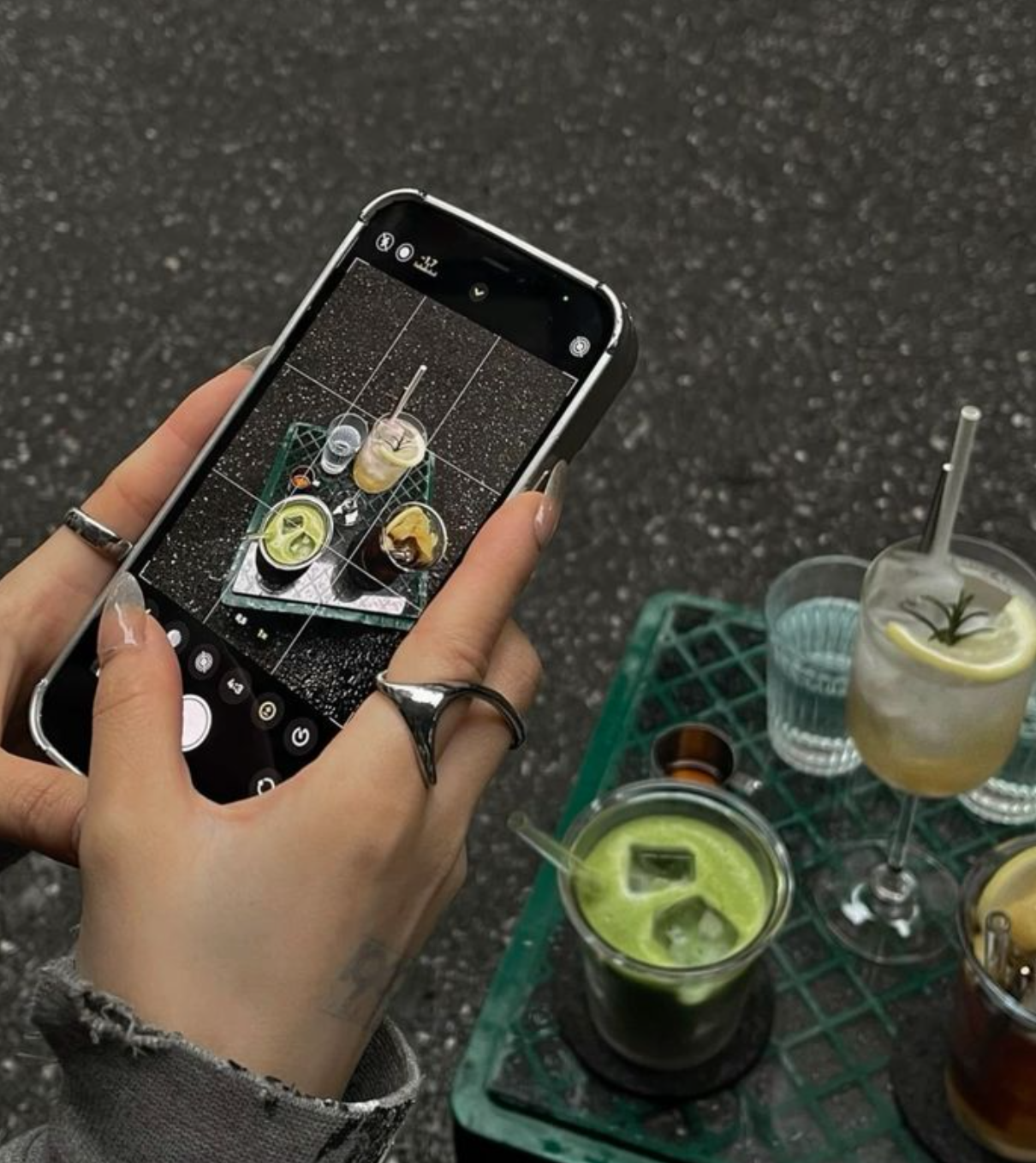
Before taking time out of your precious day off to go to that aforementioned matcha spot, for example. Do you actually like matcha, or do you just know that a photo of a matcha latte would look magical on your feed sandwiched between your birthday party photos?
A better philosopher might suggest that it’s not so wrong, at the end of the day, to photograph a matcha latte. That there are bigger problems at hand when it comes to identity and where we stand. Where we fall. Where we land.
But I would gently nudge back that it is, actually, that serious. Think of the kind of person who would scoff at the idea of planning their day around an Instagram picture. They’re probably adjacent to the people who “don’t believe in social media at all” yet quietly use TikTok for “recipes” or Instagram to “keep up with friends.”
In fact, some people abstain from posting at all as some kind of power move; they refuse to give social media the power to validate their existence. In this way, their abstention is a quiet statement of independence … from social media. Which yet again reaffirms the quiet power these platforms hold.
Other times, it’s off-brand asceticism where the user feels “above” using social media. They’re too cool to be online, even when they’re drawn to it. They may or may not wipe their feeds constantly, or reinvent themselves, or vanish for months at a time. I’m sure you follow someone like this — someone dripping with mystery and sex appeal who quietly posts their trip to Cabo with no captions and then takes it down a few days later.
It can also be insecurity. Some people resist posting online because they feel their life is not interesting enough to share, not glamorous enough/beautiful enough/wealthy enough. They may silently judge others online, but also harbor a secret desire to be a part of the digital scene once they “get their life together.” That could mean getting a girlfriend or getting a dream job. Moving to an impressive city, losing weight, gaining muscle, looksmaxxing. In other words, they want to become the right version of themselves before entering the social media circus.
The irony of being online is that attempting to resist any kind of performance is a performance in itself. We exist in multitudes: who we want to be online, who we try to be for our audience, and who we actually are. We are constantly revising, withholding, romanticizing, idealizing, documenting, deleting, obsessing, planning, changing.
As we are in real life, which is never cohesive.
