Why Leopard Print Makes a Statement
by Alivia Stonier
Leopard print is a style that dominated social media in 2025 and has cultivated a style reputation for decades, especially with a resurgence in the early 2000s. But the style goes back far beyond this period of time, leaving those interested in the new wave of this trend wondering, "Where did this fascination with the print come from?"
According to historical fashion sources, in ancient Egypt and the Near East, wearing leopard skins signified divine favor or royal power.The Egyptian goddess Seshat, the goddess of wisdom and writing, and even classical gods like Dionysus and Cybele were often depicted as wearing leopard pelts.
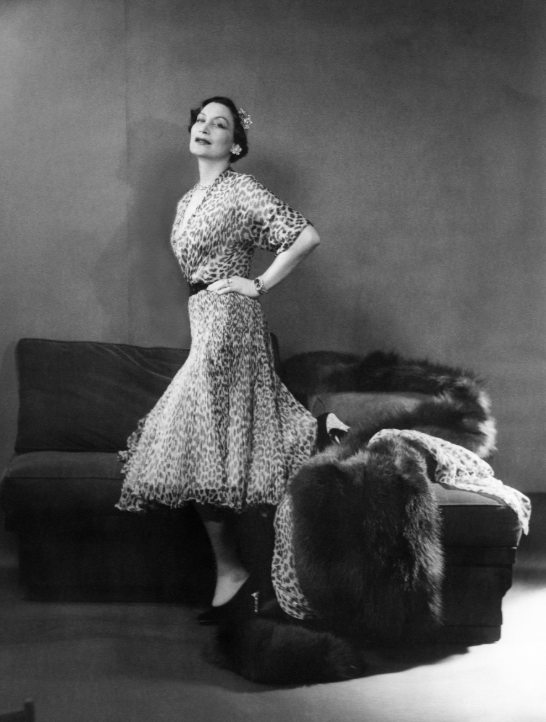
Dior’s debut “New Look” collection featuring a silk leopard-print dress.
The pattern became a symbol of status and would later translate to also symbolize class in 20th-century Hollywood. Typically used in productions for projects like Tarzan and jungle settings, but pulled from fashion history sources, it was Christian Dior who would be responsible for bringing the popular pattern into the limelight.
In 1947 Dior’s debut “New Look” included a silk leopard-print dress called Jungle, with the designer adding, “If you’re fair and sweet, don’t wear it.” This sentiment would lead to sex symbols including Marilyn Monroe and Brigitte Bardot being known for sporting the style.
Undeniably it also had a tie to pin-up culture with figures like Bettie Page and Playboy co-founder Jayne Mansfield, who once posed in matching leopard print outfits with her husband, to get their taste of the trend.
By the 1950s the high fashion initiative grew into even higher regard as figures like Elizabeth Taylor found the print incorporated in their gowns or coats.
However, in the '60s it became a part of youth culture and spread across everyday people's fashion. The style also inherently became a part of protest culture. Now seen as a symbol of sexuality and, in some cases, vulgarity, it became a symbol of rebellion for women to express the more sensual parts of themselves across conservative times.
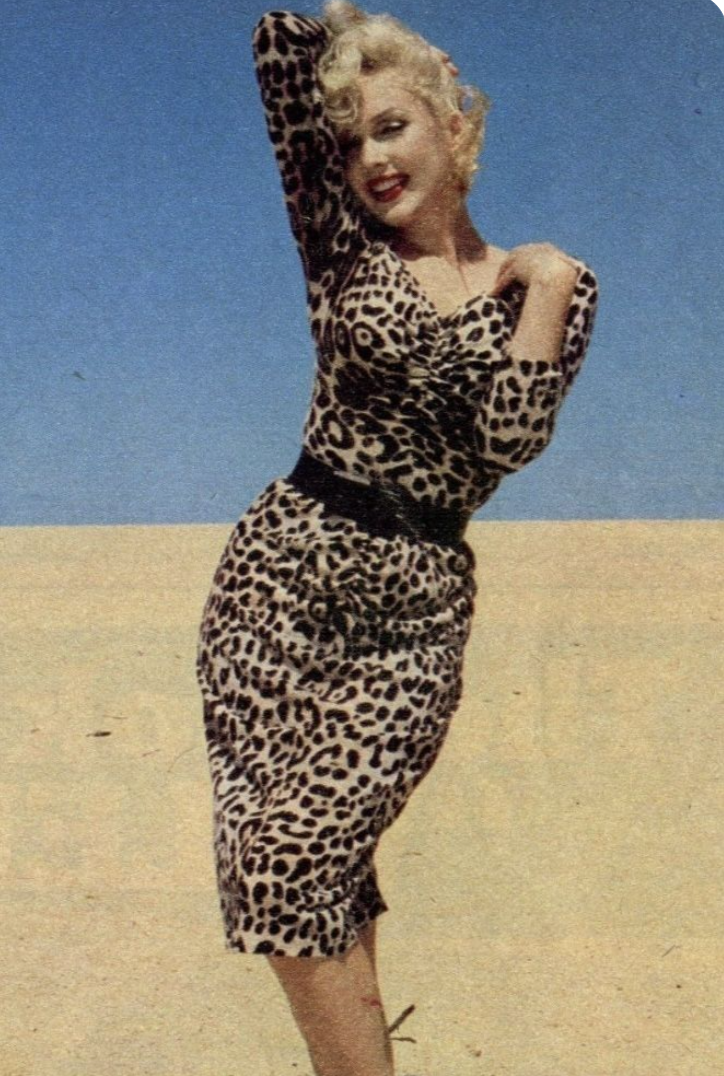
“If you’re fair and sweet, don’t wear it.”
In the 1950s and early 1960s, mainstream women’s fashion emphasized modesty, neatness, and conformity. Hemlines were controlled, silhouettes structured, and colors often subdued. Clothes were meant to signal domesticity, respectability, and class, as women were expected to look polished but restrained, and stepping outside those boundaries could attract judgment.
Against this backdrop, leopard print was shocking; wearing it signaled that a woman was not content with blending into the background and she was willing to claim space for herself.
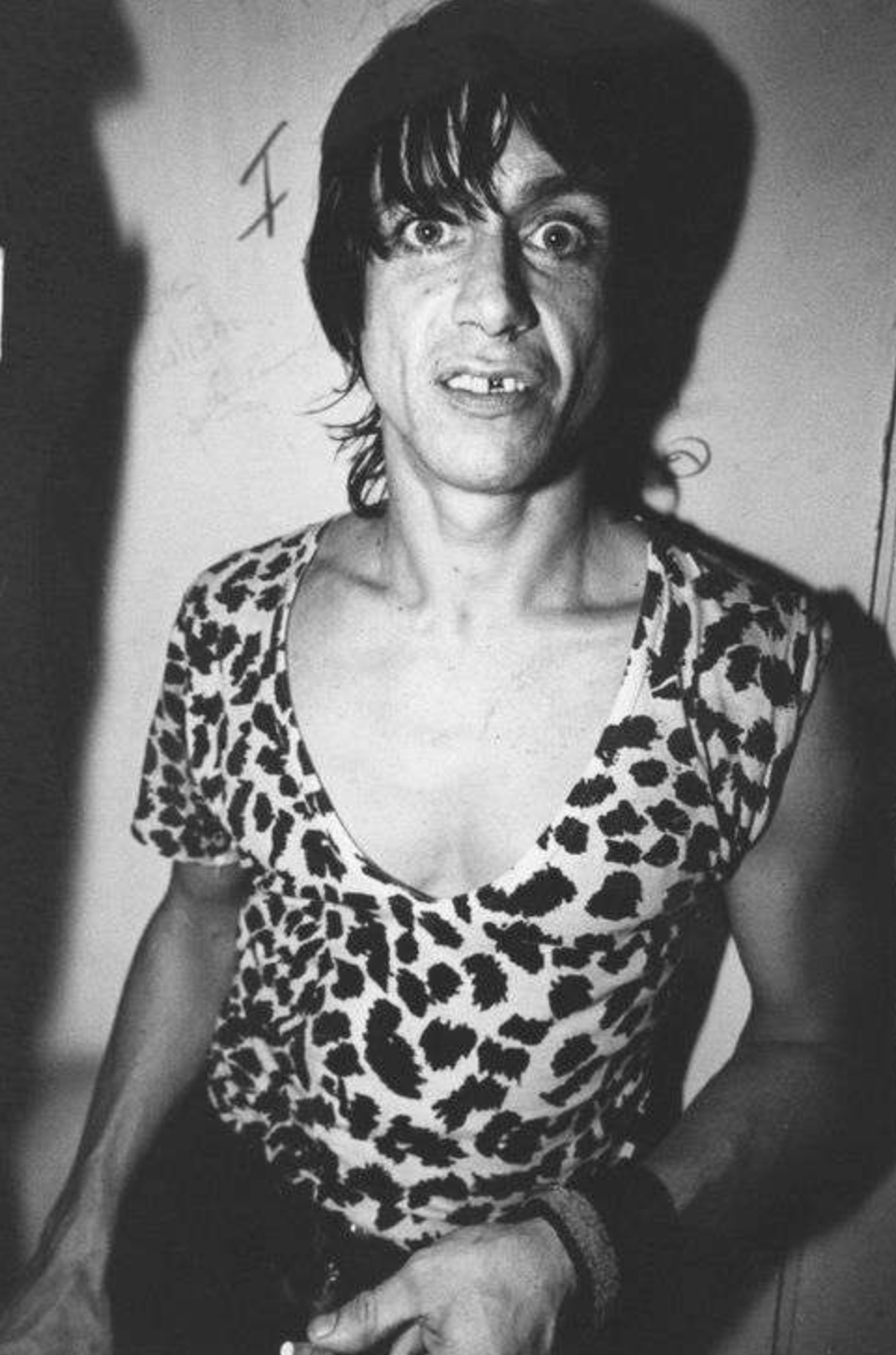
These women no longer wanted to feel small and instead used these tools to be seen. As a result, the style would bleed into the music scene across the next couple of decades. Rockers Marc Bolan and David Bowie wore leopard in defiance, along with women of this time, allowing for an extension of their androgynous expression across the stage.
Soon after, 1970s punk fashion, with its flair for shock, also borrowed the spots. Sid Vicious, Debbie Harry, and Poison Ivy of The Cramps all wore head-to-toe leopard, using the pattern to subvert both punk’s male expectations and uplift the growing shift in social culture and perception of sexuality.
Going into the 1980s, the print continued to be popular, sported by stars like Madonna and across television shows like Dynasty.
By the end of the decade, the fashion world considered the style tacky. That was until it began to be popularized for streetwear and used as symbols across hip hop culture.
On the streets, hip-hop and club culture embraced leopard in loud, confident ways. Artists like Naomi Campbell and Lil’ Kim wore full leopard ensembles for music videos and magazine shoots, rebranding the spots as “fierce and irreverent.”
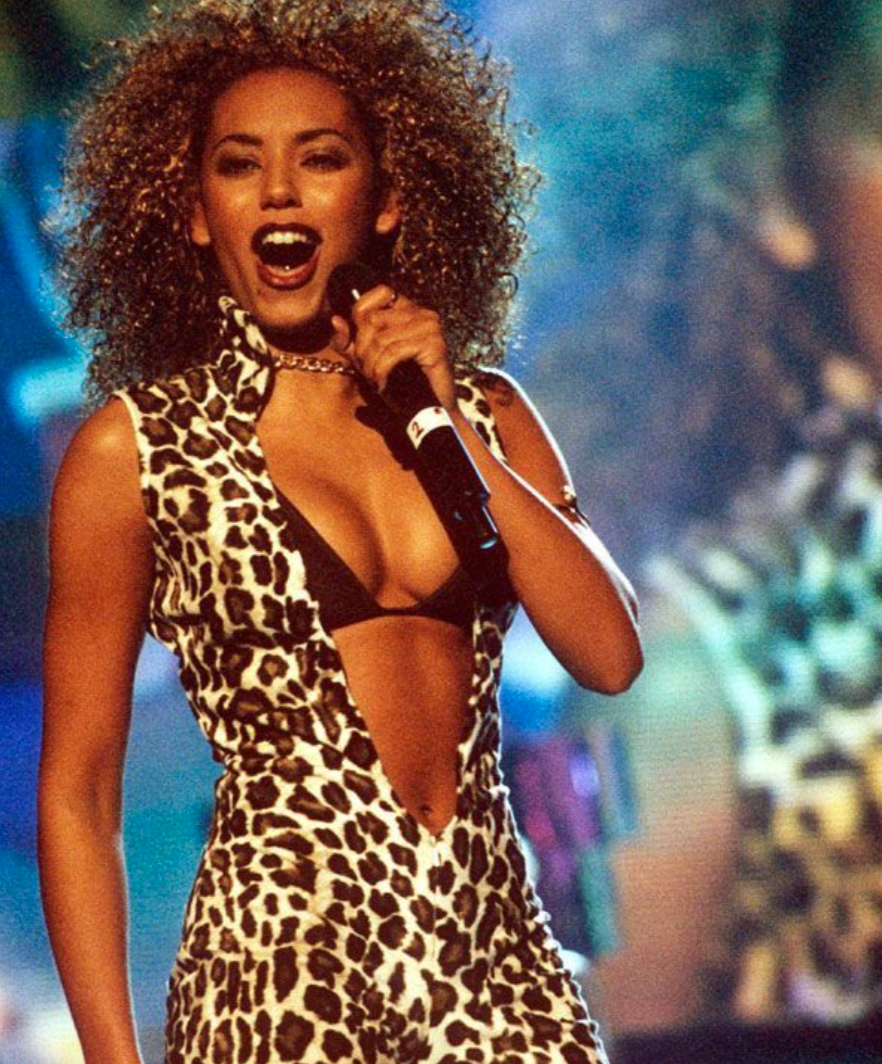
Scary Spice’s signature catsuit.
Back in the mainstream, the British Spice Girls helped rehabilitate leopard’s image yet again when Scary Spice, Mel B, famously turned a skintight leopard catsuit into a global “girl power” emblem, making the print part of a playful, assertive look. By the mid-90s even middle-class teenagers could buy leopard-print tank tops and tube skirts at malls.
While all of this was going on in the high fashion world, Italian designers grew excited. Gianni Versace’s collections remixed leopard with Greco-Roman motifs and sequins, celebrating it as campy luxury. Dolce & Gabbana even made leopard “a sensual signature” of their brand rooted in Mediterranean glamour.
The early 2000s saw a Y2K twist on leopard print, often mixing glamour with kitsch. Pop stars like Christina Aguilera and Britney Spears used leopard-print microdresses and fur jackets on stage, giving pop an edge while upholding its sexy reputation.
In everyday wear, celebrities like Paris Hilton and Lindsay Lohan often sported leopard ensembles in tabloids, reinforcing its Y2K “It Girl” status. Even animal-print bikinis and accessories became staples of ‘00s reality TV and mall fashions.
Across the pond, Kate Moss added a grunge spike by pairing a leopard coat with jeans, sending the motif into “slightly trashy” territory that became the heart of boho-rock chic.
Leopard print in the UK has always carried a slightly different energy than in the US. In the UK it felt a little rawer, a little more ironic. In America, leopard has long been tied to Hollywood glam and Y2K pop stardom with full-on stage-ready ensembles that scream confidence and sex appeal. In the UK, though, the print often showed up in ways that were grittier, cheekier, and a little rebellious. It wasn’t always about luxury and instead a reflection of attitude.
Punk and new wave scenes in the late ’70s and ’80s claimed the pattern as a kind of playful defiance. Bands like the Sex Pistols or figures like Debbie Harry and later Kate Moss paired leopard with ripped jeans, oversized coats, or leather, turning it into something that looked both effortless and sharp.
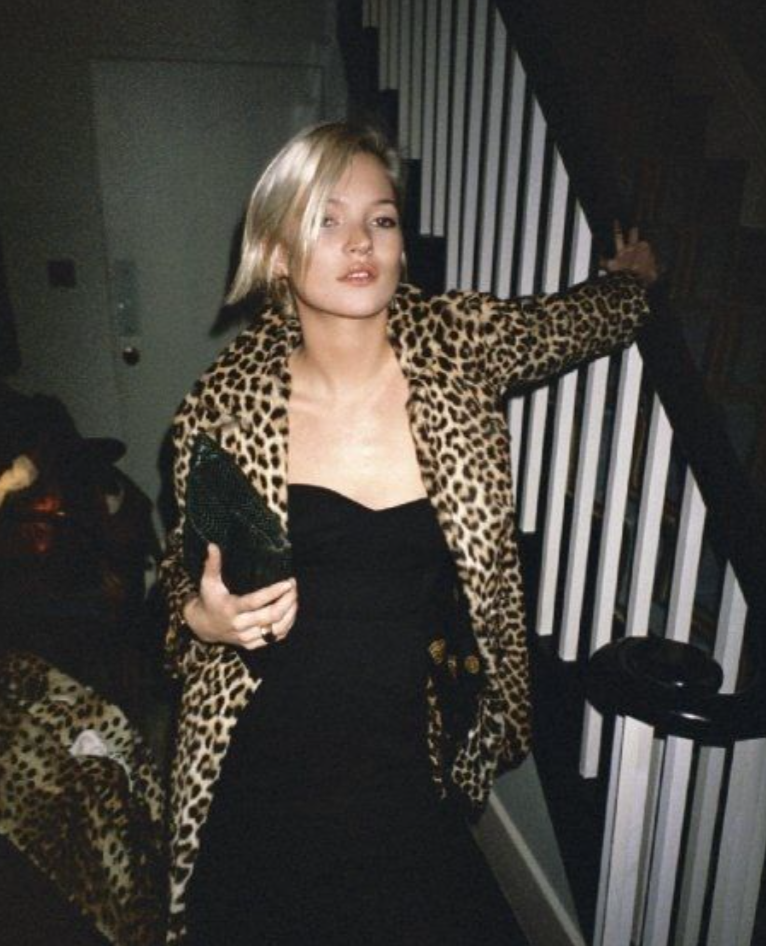
Meanwhile, in America, the print was more about visibility and aspiration. Full leopard ensembles, high-gloss marketing, and celebrity endorsement gave it a sense of power and statement-making that was polished, in-your-face, and aspirational. The UK leopard has always had that slightly messy charm, like it could show up on the runway or in a dive bar club, and it would feel equally at home in both spaces. Today, as it rises in social media, the manifestation of the look that divides culturally is beginning to blur.
Fast forward to today, platforms like TikTok or Instagram show leopard print across sweatpants, nail designs, dresses, and even laptop cases. TikTok “Mob Wives” and #Y2KAesthetic posts fueled a new leopard craze back in 2024.
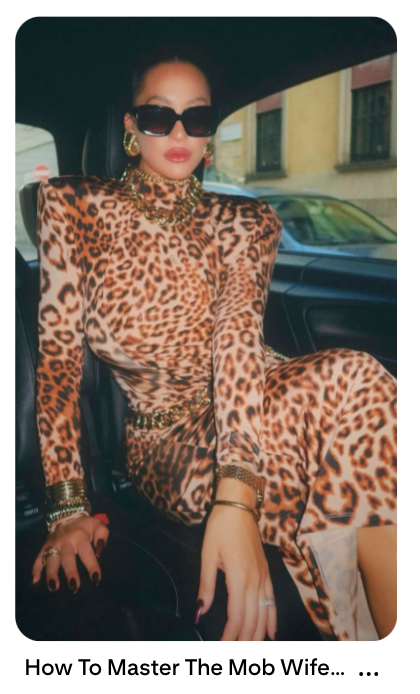
TikTok “Mob Wives” and #Y2KAesthetic posts fueled a new leopard craze back in 2024.
High fashion houses, including Dior and Balenciaga, infused leopard into runway looks, while fast-fashion brands like Zara, H&M, and Gap released leopard jackets and dresses. Today you can buy a real-feel leopard coat for under $30 or a couture version for thousands.
Celebrities have also supported the look, including Kourtney Kardashian showing off leopard shorts, her sister Kylie Jenner having leopard wrapping paper this year, and other stars like Selma Blair bringing it back into style across the limelight.
Some may wonder how a trend that has been so polarizing has been able to last this long. However, it's the versatility and reach that has allowed the spots to continue to come back in waves no matter your class status.
Especially at a time when conservatism is back on the rise, with Generation Z facing these issues post-covid, it's now more than ever that options like leopard are coming back as a form of counterculture to the norms that women are being fed online.
Despite there being a rise in the clean girl aesthetic, where the goal is to look completely put together and polished, for every style there is another side of the coin, and with that comes the more “messy style.”
This includes sporting looks like leather, lace, messy liner, and yes, of course, leopard print. Open up your feed, and you'll find a slew of posts not only showing the print and clothing but also at bars across pool tables or paired with a martini glass; it is a quiet signal for a new type of rebellion and a new party.
Leopard print’s comeback among Gen Z isn’t just a fashion cycle; it feels like a statement of identity, mood, and digital style rebellion. For a generation growing up amid constant social media exposure, political uncertainty, and the aftermath of a global pandemic, leopard print functions just as it did for previous generations in a new way; it says, “I’m here, I exist, and I won’t be neutral.” Where older trends leaned on clean lines and minimalism, Gen Z has gravitated toward maximalism, playfulness, and self-expression, and leopard fits this trend. It’s loud, unapologetic, and easy to remix across styles.
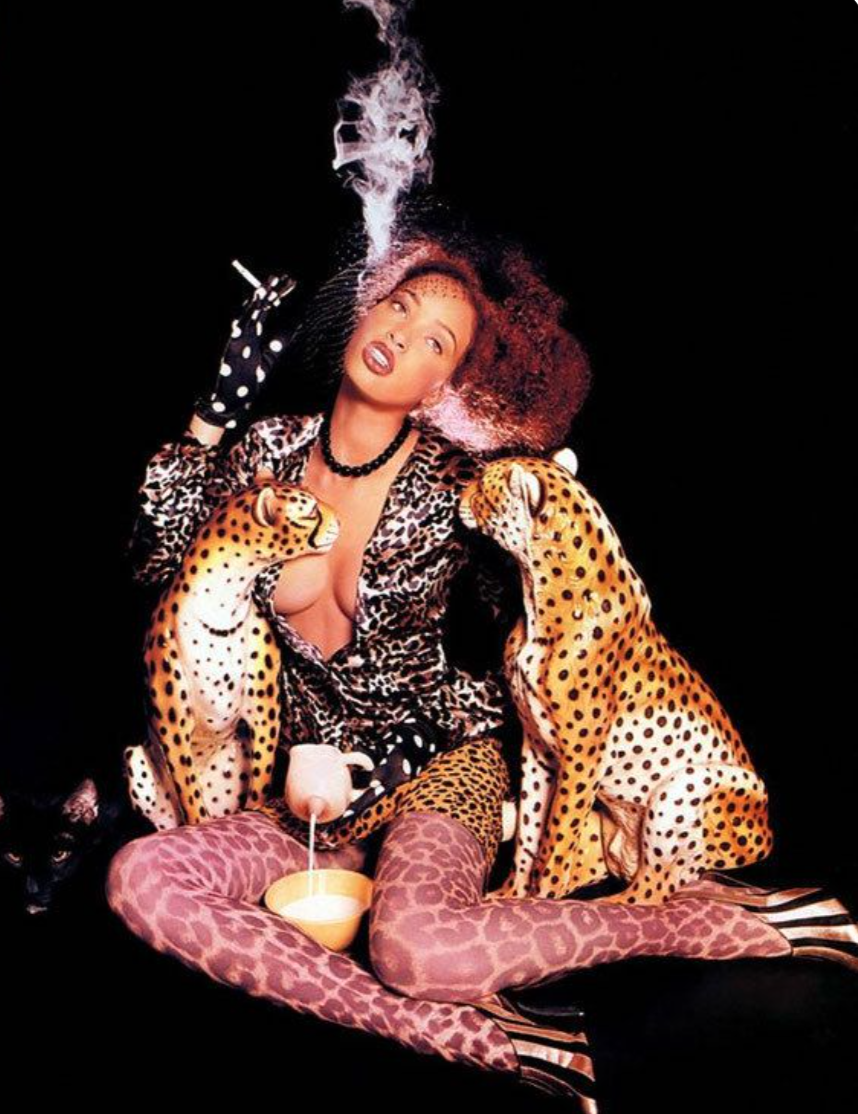
“I’m here, I exist, and I won’t be neutral.”
Part of what makes the leopard so appealing is its flexibility as a symbol. On TikTok and Instagram, influencers wear it both as a nod to Y2K nostalgia and as a tool for personal branding. One person might style leopard as ultra-glamorous, channeling Paris Hilton or early 2000s pop stars; another pairs it with leather, messy eyeliner, and DIY thrifted pieces, leaning into punk or grunge influences. In both cases, the print communicates confidence and creativity that is able to be customized to each person as they see fit.
There’s also a gender-fluid appeal. Gen Z has grown up challenging traditional gender norms, and leopard print works beautifully in that space. It’s inherently outside of a binary box, as it can be sensual, theatrical, funny, or edgy depending on how you wear it. Boys, girls, and nonbinary creators all adopt it to play with power, sexuality, and visibility, reclaiming a pattern that has historically been coded as overly feminine or even “vulgar” and making it their own. In many ways, wearing leopard becomes an act of assertion against this growing rigidity online.
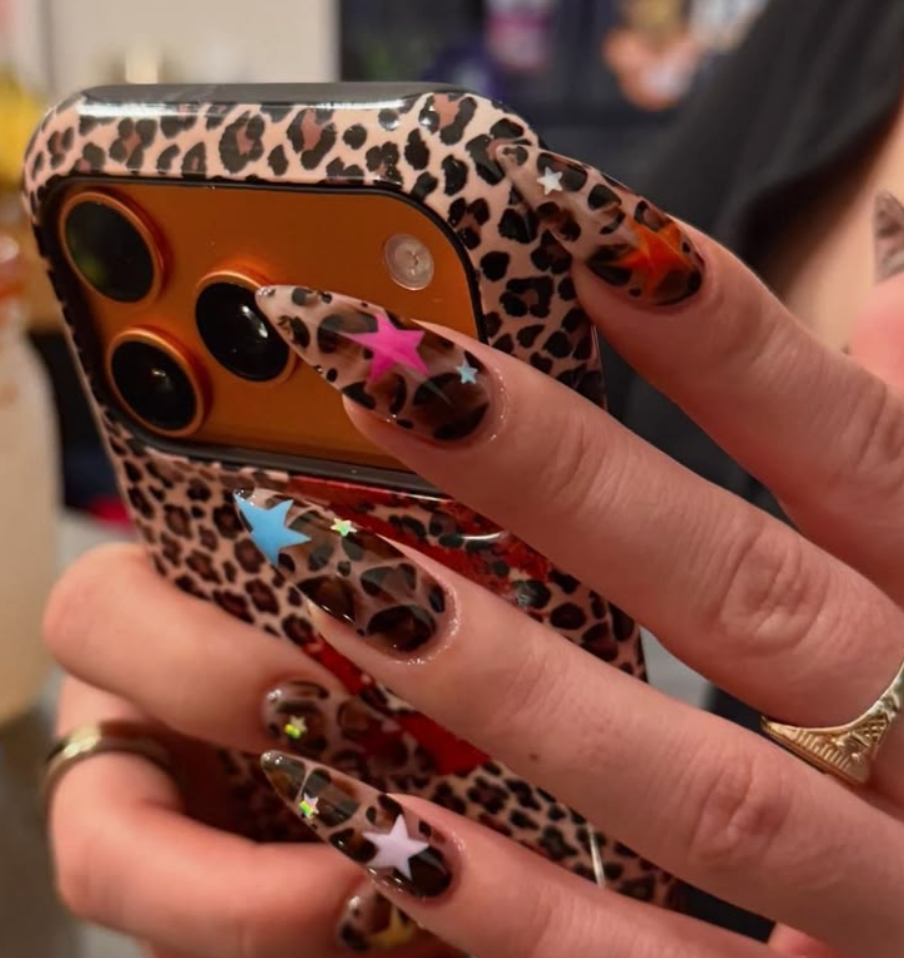
The pandemic and the social media boom also accelerated Gen Z’s embrace of nostalgic, feel-good aesthetics. Leopard print bridges these exact markers. It’s familiar enough to evoke nostalgia but able to be styled across many different forms of identity and aesthetics.
So whether you see the style as trashy or classy is completely subjective and open to interpretation; this is what makes the fashion choice so personal. Undeniably, the print has reached impressive heights, as it has been able to be seen as both a status of wealth and a status of femininity despite the changing tides.
If you decide to grab your leopard, you are joining in on a conversation that has spanned millennia and will certainly not be the final murmurs of this imprint on the fashion industry or the street styles. The versatility of the product makes it irresistible for some, and it will be sure to last if you make it a part of your wardrobe.
